
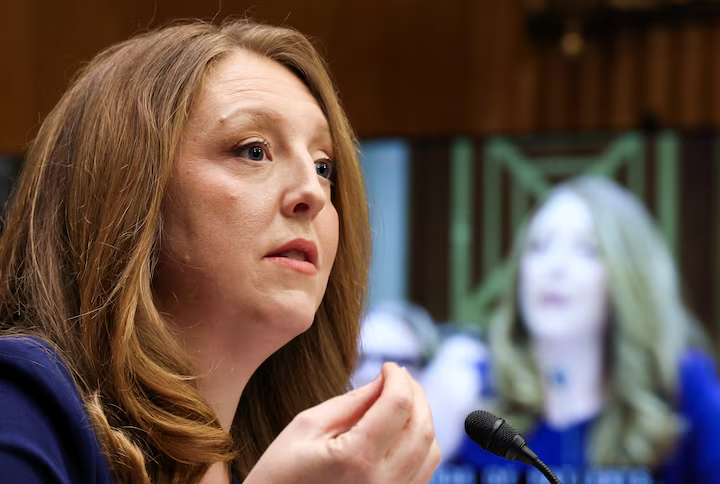
President Donald Trump’s choice for U.S. Surgeon General, Dr. Casey Means, drew intense attention this week after her confirmation hearing before the Senate Health, Education, Labor, and Pensions Committee. Means faced tough questions from lawmakers about whether she would actively encourage vaccinations for diseases like measles, flu, and whooping cough if she is confirmed to be the surgeon general.
Means, a physician and wellness influencer, was nominated by Trump and has strong ties to Health Secretary Robert F. Kennedy Jr., a controversial figure known for questioning some mainstream vaccine policies. She is a supporter of Kennedy’s “Make America Healthy Again” or MAHA agenda, which aims to reshape U.S. public health policy.
During her Senate testimony, Means said she believes vaccines save lives and that parents and patients should talk with their pediatricians before making decisions about any medication or vaccine. That includes vaccines against measles, flu, and whooping cough, conditions that have been rising in parts of the United States.
But when pressed by senators about whether she would actively urge mothers to vaccinate their children against measles with the MMR vaccine, Means stopped short of making a firm recommendation. Instead, she said each person should have an informed discussion with their doctor about what is right for them.
That answer alarmed some lawmakers and public health experts. Measles is a highly contagious disease that had been largely controlled in the United States for decades but has returned in recent years as vaccination rates fell. Flu and whooping cough also contribute to serious illness and death, especially among children and older adults. Critics say that clear public messaging from the surgeon general could help protect vulnerable communities.
Opposition came from both sides of the aisle. Some Democrats said they feared Means might echo some of the vaccine skepticism associated with Kennedy. Others pointed to her past comments questioning parts of the childhood vaccine schedule and backing more research into vaccine safety, positions that reflect themes from the MAHA movement but that also raise doubts among mainstream scientists.
Republican Sen. Bill Cassidy, who questioned Means during the hearing, pressed her on whether she would support routine immunizations that have long been recommended by public health authorities. Means again emphasized personal choice and conversations with doctors rather than issuing strong federal guidance.
Means’ background also drew scrutiny. She trained at Stanford School of Medicine but left her surgical residency early and does not hold an active medical license. She is known more recently for her work as a wellness influencer and co‑founder of a health tech company focused on lifestyle and preventive care. Her supporters say this experience gives her a fresh perspective on health promotion, while critics argue it may not prepare her to lead the nation’s public health messaging as surgeon general.
The nomination process comes at a moment of public health concern. The United States is dealing with measles outbreaks and ongoing flu seasons, and some health officials worry that unclear or cautious messaging from the nation’s top health spokesperson could undermine efforts to boost vaccination rates. Public health leaders generally agree that vaccines are a key tool in controlling infectious diseases, and they have made strong public appeals for immunization.
Robert F. Kennedy Jr.’s role in shaping health policy has also been controversial. Though he has claimed he supports more research and transparency around vaccines, he has a long history of criticizing vaccine safety standards and promoting ideas that many scientists reject. This puts Means in a complicated position as she tries to balance her own statements with the administration’s broader approach.
The confirmation vote has not yet taken place, and some senators have said they will continue probing her positions on vaccines, chronic disease, and other health policy issues. Whatever the outcome, the hearing highlighted deep divides in public health messaging and raised questions about how the nation’s doctor will speak to Americans about vaccines if she takes office.