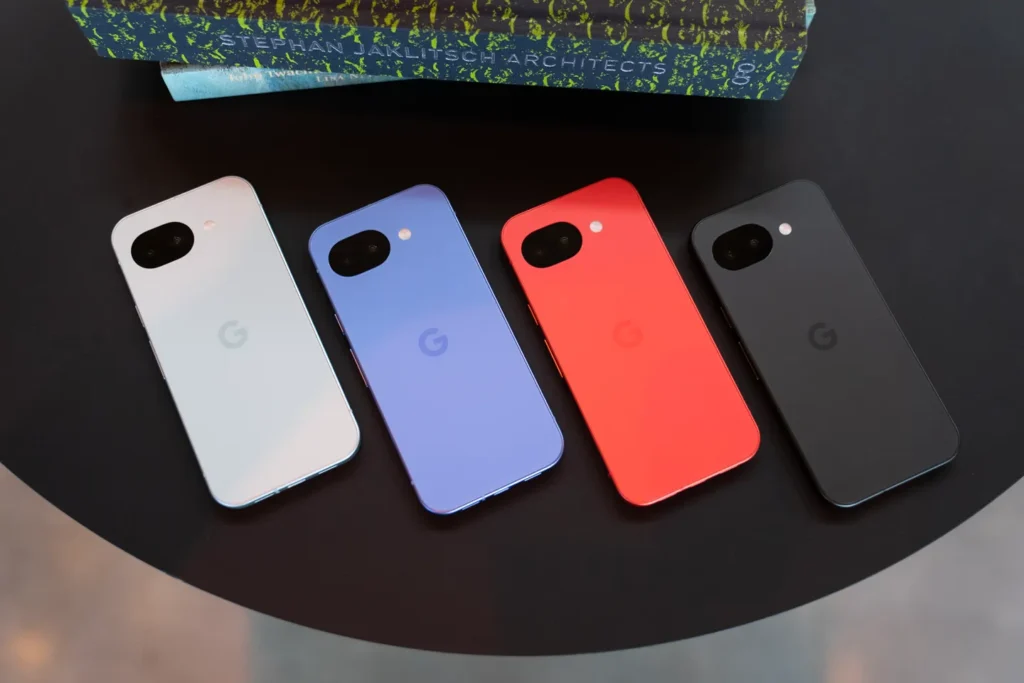
Google has just unveiled its new Pixel 10a, the latest mid-range smartphone from the company. The phone officially launched with a $499 price tag in the United States and is one of the most affordable models in the broader Pixel lineup. Pre-orders are open now, and the first sales are expected to begin in early March.
The Pixel 10a brings a familiar design and many features that fans will recognise, but many reviewers say the phone feels too similar to last year’s Pixel 9a. That has sparked debate about whether this is a true upgrade or simply the same device with a new name.
On the outside, the Pixel 10a looks almost the same as the Pixel 9a. It has a 6.3-inch display with a 120Hz refresh rate and a body that will feel familiar to anyone who has used a Pixel “A” series phone before. The design changes are subtle, such as narrower bezels and a flush camera module that sits flat on the back instead of sticking out.
Under the hood, the Pixel 10a runs on the Google Tensor G4 chip, the same processor used in the Pixel 9a. This means performance and power are very similar to last year’s model. The phone also keeps 8GB of RAM and the same base storage options, so speed and multitasking will not feel dramatically different for most users.
Camera hardware remains largely unchanged, too. The Pixel 10a includes a 48-megapixel main camera and a 13-megapixel ultrawide lens, just like the last generation. Reviewers say that while Google’s software still delivers strong image quality, the camera system itself has not seen a major shake-up this year.
Where the Pixel 10a does stand out is in a few small but noticeable improvements. The display is brighter, reaching up to 3,000 nits of peak brightness, which is about 11 per cent brighter than before. The screen also gets tougher Gorilla Glass 7i protection, which should help it resist scratches and drops. Charging speeds are slightly faster, and Google has added a few new AI-powered camera tools like Auto Best Take and Camera Coach.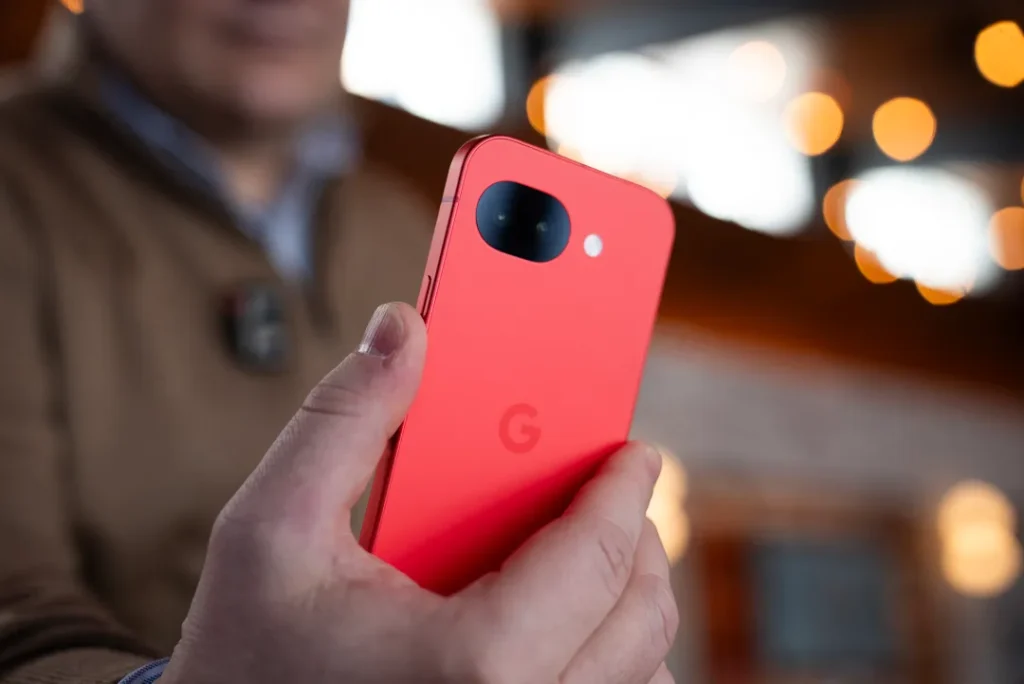
Another new addition is better connectivity. The Pixel 10a now uses a more advanced modem, which improves mobile network performance and brings support for features like Quick Share and AirDrop compatibility. That makes it easier to send files quickly between Android and Apple devices.
Google has also leaned into sustainability. The Pixel 10a uses more recycled materials than any previous mid-range Pixel device, including recycled metals in the frame and recycled plastic in the back cover. This could appeal to buyers who care about environmental impact.
Despite the small improvements, many tech writers and gadget fans say the Pixel 10a feels like a mild refresh rather than a major upgrade over the Pixel 9a. Some people online joke that Google simply renamed the old phone and called it new. That reaction shows how closely the two models resemble each other.
For buyers, the Pixel 10a still represents a solid choice in the mid-range smartphone market. It offers clean Android software, long-term software support from Google, and dependable performance at a competitive price. But for people who already own a Pixel 9a, skipping this upgrade might make sense since the changes are not dramatic.
As the phone hits stores in March, customers will decide for themselves whether the Pixel 10a is worth buying or if it feels too familiar compared with last year’s model.
